Cyberdise AG

Author : Joel Waldmüller

Zeitenwende in Social Engineering: Why Vishing Is Your Next Line of Defense

Vishing calls using AI-cloned voices bypass even the strongest security culture. Why a realistic vishing simulation is becoming the new line of defense — and how to make your team genuinely resilient on the phone.

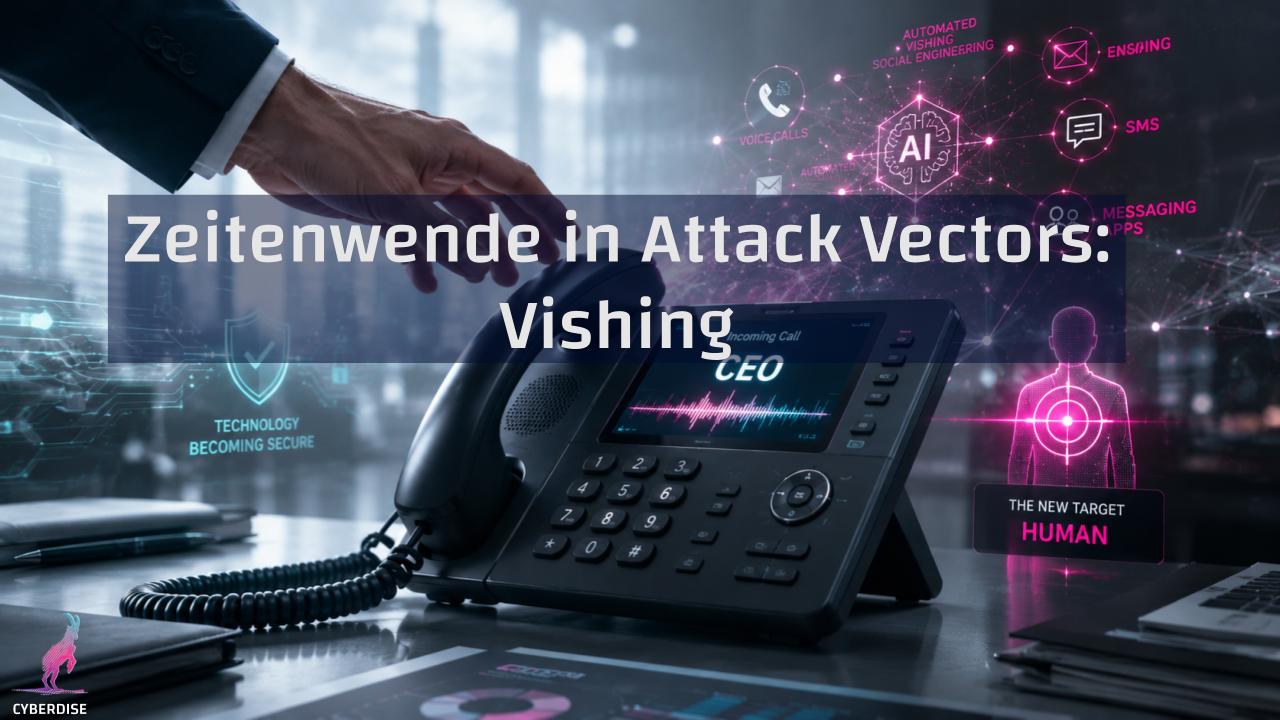
Picture this: your phone rings. The display shows your CEO’s name. When you pick up, you hear her exact voice, clear and crisp. She’s at the airport, in a hurry, and asks you to approve a multi-factor authentication (MFA) prompt right now so she can log in to an urgent board meeting.

Would your employees comply? In most organizations, the honest answer is: “Maybe” (read: yes). This is exactly the reaction a realistic vishing simulation makes visible — before a real attacker does.

Creating ClickFix Exercises with Cyberdise Behavioral Defense Engineering

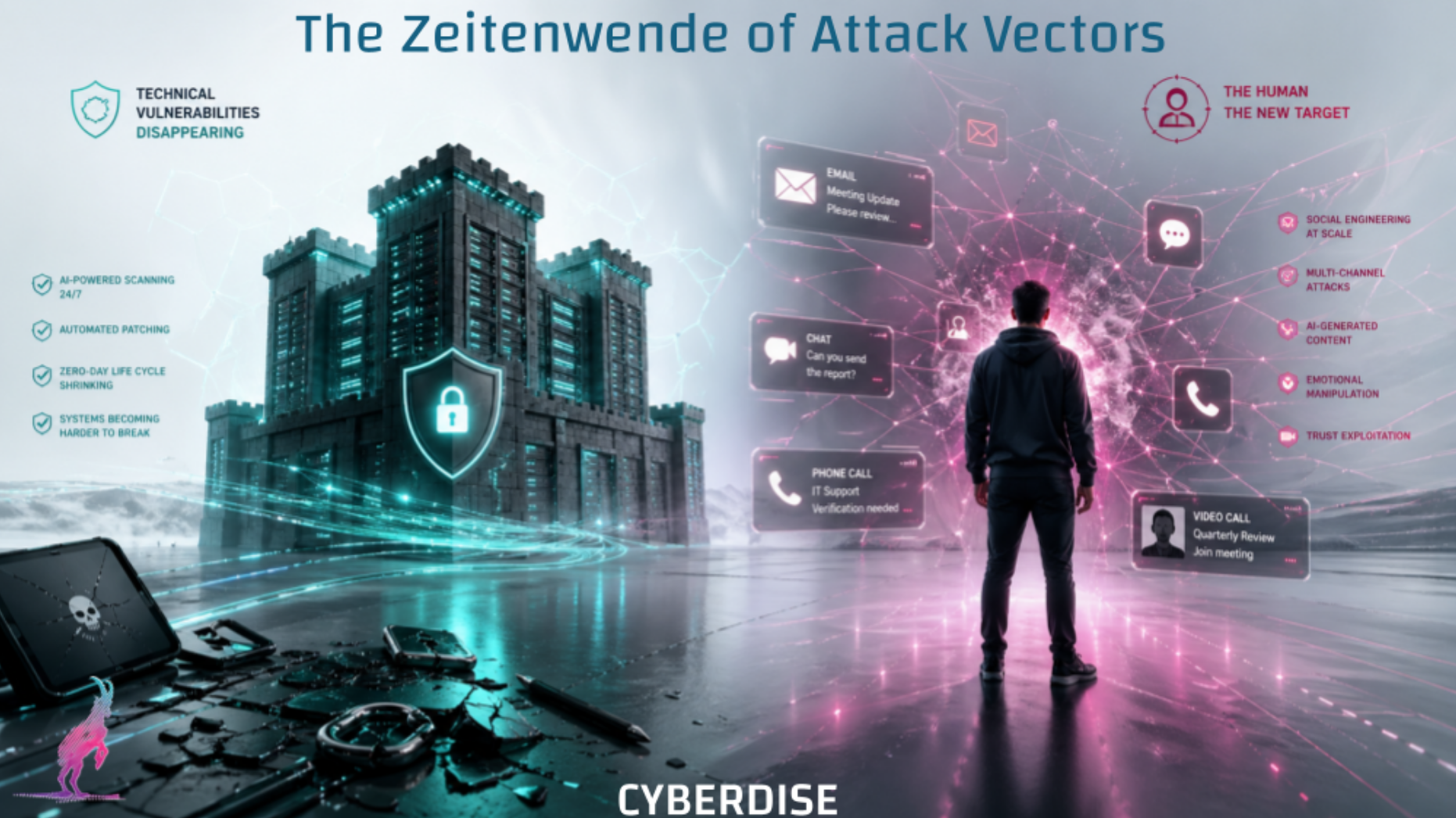
Cybercriminals have become remarkably good at bypassing technical security controls. Rather than exploiting software vulnerabilities, many modern attacks exploit something much easier: human behavior.
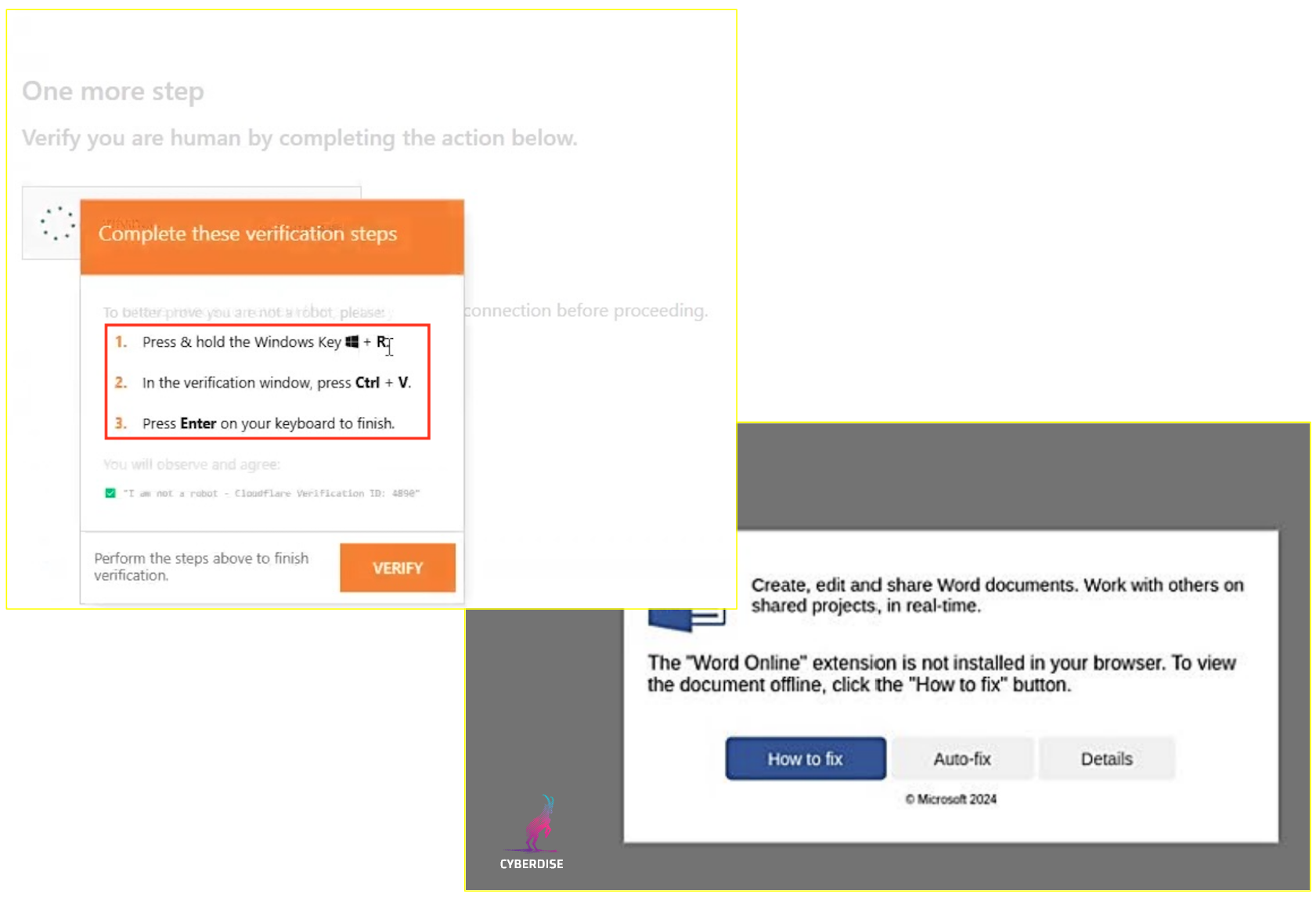
One of the fastest-growing examples is ClickFix. Instead of asking users to click a malicious attachment, attackers guide them through what appears to be a legitimate troubleshooting or verification process. The victim ultimately executes the malicious action themselves.
For security awareness teams, this represents an important shift. Traditional phishing exercises are still valuable, but they no longer cover the full spectrum of modern social engineering. Organizations increasingly need a ClickFix simulation that prepares employees for these interaction-driven attacks before they encounter them in production. This article shows how to create one in Cyberdise Awareness — from scenario selection to delivery and measurement.